Phytoplankton Sampling

August 21, 2024

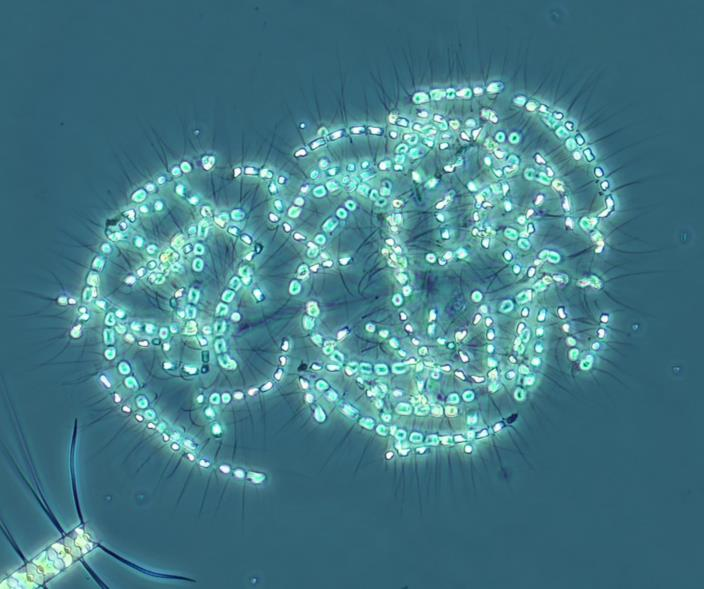
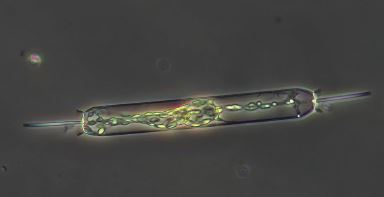
​Phytoplankton samples were collected on August 21, 2024 at Bullock Reach and analyzed in the laboratory shortly after collection. It was sunny and breezy on Narragansett Bay. Sonde data revealed the surface water temperature was 22.0°C, salinity was 27.1 psu, and chlorophyll a was 7.0 ug/L. The qualitative tow net sample had a quick filtration time, the filtrate was a light tan color. The analysis of the quantitative whole water sample revealed a total of 433,000 cells/L. The microflagellates were found at 35,000 cells/L. The two most predominant phytoplankton genera were Skeletonema spp. at 84,000 cells/L and Leptocylindrus spp. at 79,000 cells/L. Other representative genera include Ceratulina spp., and Cylindrotheca spp. Today’s featured 200x phase-contrast micrograph shows Chaetoceros curvisetus, a species of marine phytoplankton that is widely distributed and common to North Atlantic waters. Chaetoceros serves as an important food source within the water column and major carbon contributor to the benthic environment. Chaetoceros has been reported to contribute about 91% of total phytoplankton cells serving as an important primary producer within this area.

July 24, 2024

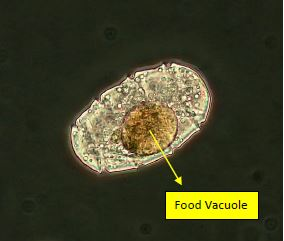
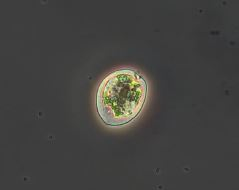
Phytoplankton samples were collected on July 24, 2024 at Bullock Reach and analyzed in the laboratory shortly after collection. It was a cloudy and humid day on Narragansett Bay. Sonde data revealed the surface water temperature was 24.4°C, salinity was 26.8 psu, and chlorophyll a was 12.8 ug/L. The qualitative tow net sample had a medium filtration time and the filtrate was clear with a light brown color. Some particulates were noted in the filtrate. The analysis of the quantitative whole water sample revealed a total of 1,154,000 cells/L. The microflagellates were found at 672,000 cells/L. The most predominant phytoplankton genus was Eutreptiella spp. at 154,000 cells/L. Other representative genera include Prorocentrum spp. and Heterocapsa spp. Polykrikos spp. is a genus of marine dinoflagellates featured in today’s 200x phase contrast micrograph image. It gets its name from the Greek “poly” – many, and “krikos” – ring or circle. Polykrikos have been found to regulate algal blooms as they feed on toxic dinoflagellates. However, there is also some data available on Polykrikos being toxic to fish.​

July 10, 2024

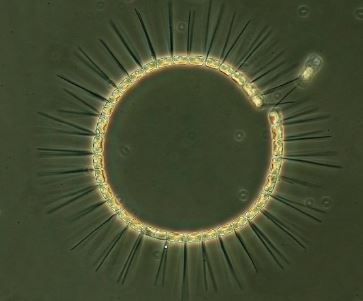
​Phytoplankton samples were collected on July 10, 2024 at Bullock Reach and analyzed in the laboratory shortly after collection. Sonde data revealed the surface water temperature was 25.9°C, salinity was 23.6 psu, and chlorophyll a was 5.0 ug/L.  The qualitative tow net sample had a short filtration time, the filtrate was slightly cloudy, and the analyzed sample volume was 500 mL. The analysis of the quantitative whole water sample revealed a total of 999,000 cells/500 mL. The most predominant phytoplankton genus was Skeletonema spp. at 572,000 cells/500mL. Other representative genera include Chaetoceros spp. and Leptocylindrus spp. Ditylum is a genus of marine centric diatoms with a worldwide distribution in boreal, tropical, coastal and estuarine environments and is the feature 200x phase contrast micrograph image for the day. Ditylum spp. have been used as a model organism for genetic studies concerning metapopulation structures and environmental influence on population genetic variability.

June 12, 2024

​Phytoplankton samples were collected on June 12, 2024 at Bullock Reach and analyzed in the laboratory shortly after collection. Sonde data revealed the surface water temperature was 19.68°C, salinity was 24.22 psu, and chlorophyll a was 9.89 ug/L. The qualitative tow net sample had a short filtration time, and the filtrate was mostly clear. The analysis of the quantitative whole water sample revealed a total of 12,732,000 cells per Liter. The most predominant phytoplankton genus was Skeletonema spp. at 12,408,000 cells/L. Other representative genera include Chaetoceros spp. and Leptocylindrus spp. Prorocentrum spp. (see 200x phase contrast image below) is a dinoflagellate genus containing several toxic and harmful species. P. micans is one of the most common species in the genus. Prorocentrum is found in cold, temperate to tropical waters. This genus forms extensive red tides in many parts of the world, though blooms are usually harmless. It may excrete substances that inhibit diatom growth, but these substances do not enter the food chain or affect organisms at higher trophic levels.

May 29, 2024

​Phytoplankton samples were collected on May 29, 2024 at Bullock Reach and analyzed in the laboratory shortly after collection.

Sonde data revealed the surface water temperature was 20.1°C,  salinity was 15.49 psu, and chlorophyll a was 12.1 ug/L.

The qualitative tow net sample had a moderate filtration time, and the filtrate was a dark tan/brown color and had particulate matter.

The analysis of the quantitative whole water sample revealed a total of 7,565,000 cells per Liter. The most predominant phytoplankton genus was Skeletonema spp. at 7,276,000 cells/L. Other representative genera include Chaetoceros spp. and Leptocylindrus spp. Chaetoceros spp. (see 200x phase contrast image below) is a genus of diatoms found in Narragansett Bay and is one of the most common and most diverse genera of marine planktonic diatoms with over 200 accepted species. Due to its high growth rates, research has been conducted into potential uses of Chaetoceros in biotechnology.

May 14, 2024

Phytoplankton samples were collected on May 14, 2024 at Bullock Reach and analyzed in the laboratory shortly after collection. It was a beautiful day on Narragansett Bay with partly cloudy conditi​​ons and a slight breeze. Sonde data revealed the surface water temperature was 14.67°C, salinity was 21.36 psu, and chlorophyll a was 8.77 ug/L. Secchi disk water clarity was 3.4 m.​ The qualitative tow net sample had a long filtration time, and the filtrate was​​​ dark brown and ​cloudy. 

The analysis of the quantitative whole water sample revealed a total of 8,741,000 cells per Liter. The most predominant phytoplankton genus was Skeletonema spp. at 4,912,000 cells/L. Other  representative genera include Thalassiosira spp., Leptocylindrus  spp., and Chaetoceros spp. This week’s featured image (200x phase contrast) shows the diversity of the​​ phytoplankton sample, containing many different genera. Phytoplankton are primary producers and contain chlorophyll to capture sunlight to produce energy.

May 1, 2024

Phytoplankton samples were collected on May 1, 2024 at Bullock Reach and analyzed in the laboratory shortly after collection. It was a cold and breeze day on Narragansett Bay with cloudy conditions. The qualitative tow net sample had a long filtration time, and the filtrate was a reddish brown and slightly cloudy.

The analysis of the quantitative whole water sample revealed a total of 4,006,000 cells per Liter. The micro flagellates were found at 24,000 cells/L. The most predominant phytoplankton genus was Skeletonema spp. at 1,646,000 cells/L. Other representative genera include Thalassiosira spp., Leptocylindrus spp., and Chaetoceros spp. This week’s featured image is Eucampia spp. (200x phase contrast), a type of diatomic phytoplankton that is often found in the North Atlantic Ocean. This genus is often found in a curved form and in helical chains. This diatom is yellow-brown in color with numerous green chloroplasts.

April 16, 2024

​Phytoplankton samples were collected on April 16, 2024 at Bullock Reach and analyzed in the laboratory shortly after collection. It was a sunny and calm day on Narragansett Bay. Some lions mane jellyfish were detected. The qualitative tow net sample had a fast filtration time, and the filtrate was a clear yellow-brown color. 

The analysis of the quantitative whole water sample revealed a total of 1,038,000 cells per Liter. The micro flagellates were found at 32,000 cells/L. The most predominant phytoplankton genus was Skeletonema spp. at 529,000 cells/L. Other representative genera include Leptocylindrus spp. and Chaetoceros spp. Actinoptychus spp. is a type of photosynthetic phytoplankton belonging to the centric diatom group. It is found in Narragansett Bay and widely distributed in spring and fall. It is identified by six radial sectors. The raised sectors can appear to look like a hazard sign, as seen in this 200x phase-contrast image.​

March 17-23, 2024

​Phytoplankton samples were collected on March 20, 2024 at Bullock Reach and analyzed in the laboratory shortly after collection. It was partly sunny, breeze and brisk on Narragansett Bay. The qualitative tow net sample had a long filtration time, and the filtrate was a dark brown color. Some sediment and jellyfish were found in the sample. 

The analysis of the quantitative whole water sample revealed a total of 3,536,000 cells per Liter. The micro flagellates were found at 20,000 cells/L. The most predominant phytoplankton genus was Thalassiosira spp. at 1,888,000 cells/L. Other representative genera include Skeletonema spp. and Leptocylindrus spp.​ Thalassiosira spp. (today’s featured micrograph, 200x phase contrast) is a type of ​​phytoplankton belonging to the centric diatom group. This photosynthetic species grows primarily in marine waters. Some species within the genus are found in estuaries and aquatic systems that have been impacted by human activities. They can be identified by their coin-like shape.

March 6, 2024

Phytoplankton samples were collected on March 6, 2024 at Bullock Reach and analyzed in the laboratory shortly after collection. It was cloudy and mild on Narragansett Bay with an outgoing tide. The qualitative tow net sample had a moderate filter time, and the filtrate was a golden brown color.

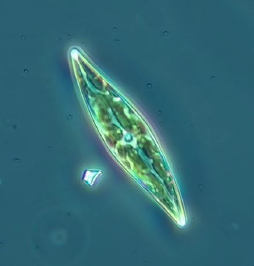
The analysis of the quantitative whole water sample revealed a total of 24,820,000 cells per Liter. The micro flagellates were found at 40,000 cells/L. The most predominant phytoplankton genus was Leptocylindrus spp. at 3,840,000 cells/L. Other representative genera include Skeletonema spp. and Chaetoceros spp. Thalassionema nitzschioides (today’s featured micrograph, 200x phase contrast) ​​is a type of phytoplankton belonging to the pennate diatom group. This photosynthetic species has small and numerous chloroplasts which give it a yellow brown color. The cells are usually found in star-shaped or in zigzagged chains. They occur in waters with salinity between 12-38 ppt and 15°C.

Scroll to Top